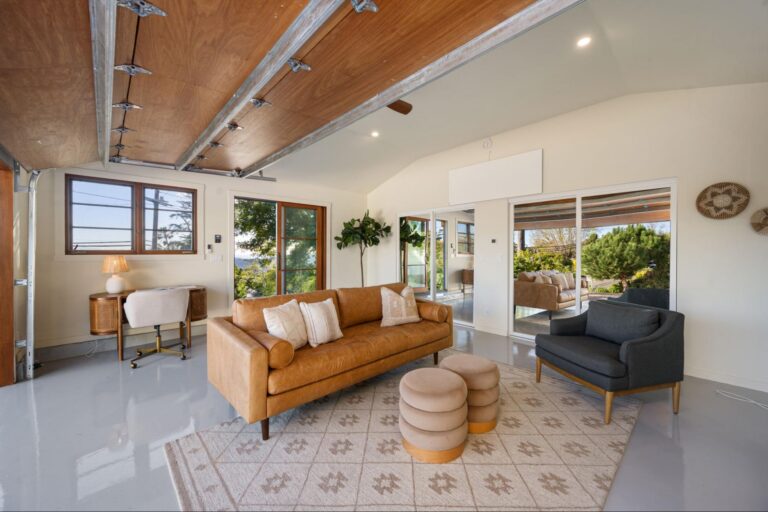


In Los Angeles, many homeowners eventually reach the same crossroads.
The kitchen no longer works the way you need it to. Bathrooms feel dated and cramped. Walls that once made sense now make the home feel closed off, especially compared to the open layouts many homeowners want today.
Storage starts disappearing faster than expected, and older electrical systems struggle to keep up with modern appliances and technology. Eventually, most homeowners reach the same point: something has to change.
Should you move — or invest in the home you already own?
For many homeowners across Los Angeles, the answer increasingly points toward full home remodeling.
Rising property values, limited housing inventory, and the cost of relocating have changed how homeowners approach long-term property planning. Instead of leaving established neighborhoods, many are choosing to modernize their existing homes through coordinated renovation projects that improve functionality, efficiency, and long-term value.
Moving in Los Angeles Often Creates New Problems
Relocating within Los Angeles is rarely simple.
Beyond the purchase price of a new home, homeowners often face:
- Property tax reassessment
- Higher mortgage rates
- Competitive bidding situations
- Closing costs and moving expenses
- Renovation needs in the new property
In neighborhoods such as Sherman Oaks, Pasadena, West LA, and parts of the San Fernando Valley, homeowners frequently discover that purchasing another home with the features they want may cost significantly more than strategically remodeling the property they already own.
In many cases, remodeling allows homeowners to preserve location advantages while adapting the house to current lifestyle needs.
Full Home Remodeling Creates Better Long-Term Cohesion
One of the biggest limitations of phased remodeling is inconsistency.
A kitchen remodeling project completed years earlier may no longer match adjacent living spaces. Bathroom remodeling updates may improve isolated rooms while outdated flooring, lighting, or layouts remain throughout the rest of the home.
Full home remodeling allows homeowners to approach the property as one integrated system instead of a series of disconnected upgrades.
This often includes:
- Open floor plan conversions
- Coordinated flooring transitions
- Unified lighting design
- Modernized electrical infrastructure
- Plumbing system upgrades
- Improved indoor-outdoor flow
Rather than layering renovations over time, homeowners can create a cohesive architectural direction that improves how the entire property functions.
Older Los Angeles Homes Often Need Infrastructure Modernization
Many homes throughout Los Angeles were built decades ago.
While cosmetic updates may improve appearance temporarily, underlying systems often remain outdated.
Common issues include:
- Aging plumbing lines
- Limited electrical capacity
- Inefficient ventilation systems
- Insufficient insulation
- Structurally restrictive layouts
During full home remodeling projects, homeowners can address these issues comprehensively rather than reopening walls repeatedly over several years.
For example, upgrading electrical capacity during a renovation may also support:
- Future adu construction
- Expanded kitchen appliance loads
- Smart home integration
- HVAC modernization
Coordinated planning reduces duplicated labor and helps prevent future disruptions.
Kitchen Remodeling Often Becomes the Starting Point
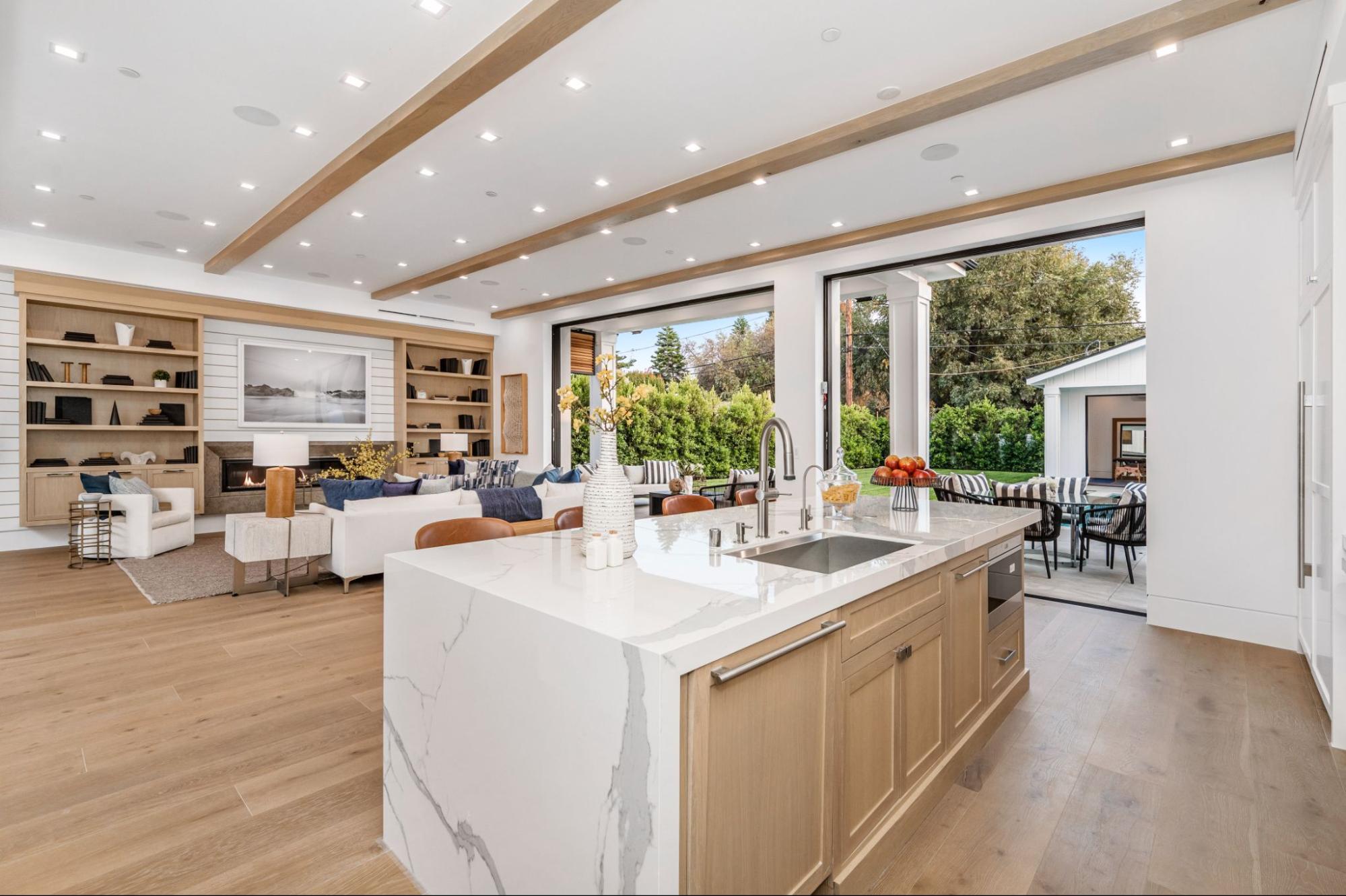
For many Los Angeles homeowners, kitchen remodeling becomes the catalyst for larger renovation decisions.
Once walls are opened, homeowners often begin reevaluating:
- Dining room layouts
- Living room flow
- Ceiling heights
- Lighting consistency
- Storage limitations
In older homes, kitchens were frequently designed as isolated spaces separated from gathering areas. Modern remodeling priorities tend to favor connected layouts that improve circulation and natural light.
As a result, what begins as a kitchen renovation often evolves into broader structural planning throughout the home.
Bathroom Remodeling Reveals Additional Structural Concerns
Bathroom remodeling projects also expose hidden infrastructure conditions.
Behind existing tile and cabinetry, contractors often discover:
- Outdated plumbing systems
- Water damage
- Inadequate ventilation
- Framing deterioration
- Non-compliant electrical work
When multiple bathrooms require modernization, many homeowners choose to coordinate renovations under one larger remodeling plan instead of treating each space independently.
This approach improves scheduling efficiency and allows design continuity throughout the property.
ADU Construction Is Changing How Homeowners Think About Property Value
Los Angeles homeowners are increasingly viewing properties as flexible long-term assets rather than fixed living arrangements.
As adu construction continues growing throughout Southern California, homeowners are planning renovations with future expansion in mind.
This may include:
- Electrical panel upgrades
- Backyard layout planning
- Plumbing capacity improvements
- Garage conversion preparation
- Site circulation adjustments
Even if an ADU is not part of the immediate renovation scope, integrating long-term planning during full home remodeling can reduce future construction complexity.
Remodeling Allows Homeowners to Preserve Neighborhood Value
Location remains one of the most important factors in Los Angeles real estate.
Many homeowners have established roots near:
- Schools
- Family networks
- Employment centers
- Community amenities
- Transit access
Moving may solve one issue while sacrificing location advantages that took years to establish.
Full home remodeling allows homeowners to modernize their living environment while preserving neighborhood positioning and long-term property appreciation potential.
Permit and Structural Planning Matter More Than Homeowners Expect
Major remodeling projects in Los Angeles involve more than design selections.
Depending on the scope, projects may require:
- Structural engineering
- Permit approvals
- Title 24 compliance
- Seismic considerations
- Electrical upgrades
- Plumbing redistribution
A structured planning process helps identify these requirements early, before construction begins.
This is one reason many homeowners prefer working with a coordinated remodeling team rather than managing separate designers, engineers, and contractors independently.
Build Around Long-Term Functionality
The most successful remodeling projects are not driven purely by aesthetics.
They are driven by how homeowners actually live.
Questions worth evaluating include:
- Does the layout support modern daily routines?
- Is the home prepared for future expansion?
- Are infrastructure systems capable of long-term performance?
- Does the property function cohesively?
- Will the renovation improve long-term usability and value?
Answering these questions strategically helps homeowners avoid short-term cosmetic decisions that fail to solve underlying limitations.
Remodeling With a Long-Term Vision
At Adar Builders, remodeling projects are approached through a structured planning process that evaluates the home as a complete system rather than isolated rooms.
Whether the project involves kitchen remodeling, bathroom remodeling, adu construction preparation, or full home remodeling, the goal is to align design, infrastructure, and long-term functionality under one cohesive plan.
Before beginning major renovations, a professional evaluation can help determine whether strategic remodeling provides a stronger long-term solution than relocating.
FAQs
Is full home remodeling cheaper than buying another house in Los Angeles?
In many Los Angeles neighborhoods, full home remodeling can be more cost-effective than purchasing a larger property. Moving often involves higher mortgage rates, property tax reassessment, closing costs, and additional renovation expenses after purchase.
Can I live in my house during full home remodeling?
Sometimes, yes. It depends on the scale of construction, utility interruptions, and structural work involved. Projects involving major kitchen remodeling, bathroom remodeling, or electrical upgrades may require temporary relocation during certain phases.
Do I need permits for full home remodeling in Los Angeles?
Most major remodeling projects require permits, especially when structural walls, plumbing systems, electrical systems, or layout changes are involved. Permit requirements are typically reviewed during the planning stage.
How long does full home remodeling usually take?
Project timelines vary depending on the size of the home, permit approvals, structural complexity, and material availability. Larger full home remodeling projects in Los Angeles often take several months from planning through final inspection.
Should I remodel my whole house at once or one room at a time?
Many homeowners choose full home remodeling because it allows electrical, plumbing, flooring, and layout changes to be coordinated under one construction plan. Remodeling in phases can sometimes create duplicated labor and inconsistent design transitions later.