
An aging pool does not always need a complete renovation, and a new surface is not always enough. The challenge is figuring out how far the problem actually extends before committing to the work. What looks like simple surface wear may be isolated to the finish, or it may be one part of a larger issue involving tile, coping, equipment, structural conditions, or the surrounding pool area.
This guide explains how to evaluate pool renovation vs. pool resurfacing, recognize when each scope makes sense, and identify the questions worth answering before you invest in either.
Pool Renovation vs. Pool Resurfacing: What’s the Difference?
Pool resurfacing primarily addresses the interior finish of the pool. Pool renovation is a broader project that can address the finish along with tile, coping, equipment, structural concerns, design changes, and sometimes the surrounding pool area.
Resurfacing a pool that has problems beyond its finish may only address part of the issue. At the same time, committing to a full pool renovation when the shell, equipment, and surrounding elements remain in good condition could mean paying for work you do not need.
The right approach is to determine the scope first, then choose the service. The simplest way to understand pool renovation vs. pool resurfacing is to look at how much of the pool is being changed.
| Pool resurfacing | Pool renovation |
| Focuses primarily on the interior pool surface | Can address several parts of the pool |
| Replaces or renews deteriorated finish material | May include resurfacing as one part of the project |
| Appropriate when the underlying pool is generally sound | Appropriate when multiple components need work or the homeowner wants substantial changes |
| Can address worn, rough, deteriorated, or unattractive finishes | Can address tile, coping, equipment, features, layout, surrounding surfaces, and other needs |
| Usually preserves the existing pool design | May change appearance, function, or configuration |
What Does Pool Resurfacing Fix?
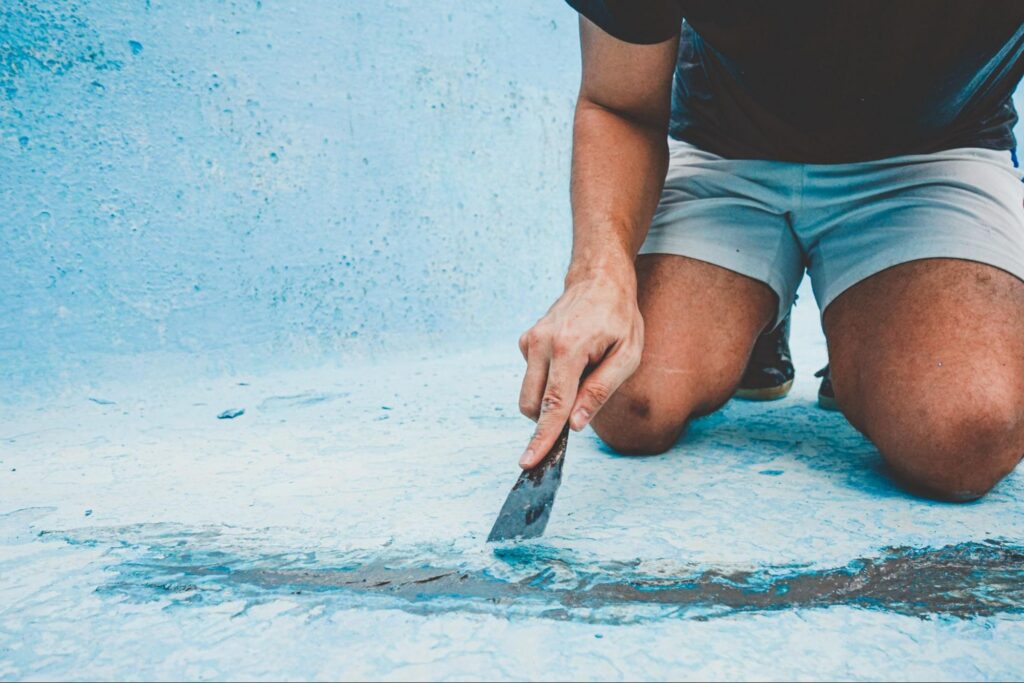
Pool resurfacing addresses deterioration in the interior finish of the pool while keeping the existing pool structure and general configuration in place.
It may be the right scope when the pool has:
- A rough or uncomfortable interior surface
- Worn, etched, or deteriorating plaster
- Persistent staining or discoloration tied to the finish
- Visible aging of the interior surface
- A dated finish that the homeowner wants to update
Depending on the desired appearance and the pool’s existing condition, resurfacing may involve plaster, quartz, pebble, aggregate, or another compatible interior finish.
What resurfacing does not automatically fix is just as important. A new finish should not be assumed to resolve significant water loss, plumbing problems, structural movement, damaged coping, failing tile, or other conditions that extend beyond the pool surface.
That is why signs such as cracking, staining, or deterioration should be evaluated in context. The visible condition may point to a surface problem, but it can also be a symptom of something that requires a broader repair or renovation.
What Does Pool Renovation Include?
A pool renovation, often called a pool remodel, can address multiple parts of the pool within one coordinated project. Resurfacing may be part of that work, but renovation can extend beyond the interior finish when other components also need repair, replacement, or updating.
Depending on the pool’s condition and the changes you want to make, a renovation may include:
- Resurfacing the interior finish
- Replacing waterline tile or coping
- Repairing structural conditions when necessary
- Updating pumps, filtration, heaters, lighting, or automation
- Modifying plumbing or circulation systems
- Changing steps or entry points
- Adding features such as a Baja shelf or tanning ledge
- Updating or modifying an attached spa
- Coordinating improvements where the pool connects with the surrounding deck or outdoor space
A pool renovation does not necessarily mean replacing or changing everything. One project may combine resurfacing with new tile and equipment, while another may involve functional or structural modifications without redesigning the entire pool.
Does Your Pool Need Resurfacing or Renovation?
The best approach depends on where the problem ends. If deterioration is limited to the interior finish, resurfacing may be sufficient. If other components, systems, or design elements also need attention, renovation may be the better fit.
Use the following as a starting point:
| What you are seeing or planning | Likely scope | Why |
| Rough or aging interior finish, with the rest of the pool in good condition | Resurfacing | The issue appears limited to the interior surface |
| Persistent staining or finish deterioration | Resurfacing, after confirming the cause | A new finish may solve the problem if no broader issue is contributing to it |
| Worn plaster with sound tile and coping | Resurfacing | Other major components can remain in place |
| Worn finish plus deteriorated waterline tile | Renovation | More than one pool component needs work |
| Loose, cracked, or shifting coping | Renovation | The problem extends beyond the interior finish |
| Significant or unexplained water loss | Diagnose before choosing either | A leak should be located before assuming resurfacing will solve it |
| Cracking that may involve the pool shell | Structural evaluation first | The cause of the cracking needs to be understood before installing a new finish |
| Aging finish plus outdated pump, heater, lighting, or controls | Renovation | Several improvements can be coordinated within one project |
| New Baja shelf, modified steps, or spa changes | Renovation | These changes affect the pool’s function or configuration |
| Pool functions well but looks dated | Resurfacing or cosmetic renovation | The right scope depends on which finishes and features you want to update |
| Pool, coping, deck, and surrounding area all need improvement | Broader renovation | The work involves several connected parts of the outdoor space |
This table is not a substitute for evaluating the pool in person, but it helps narrow the decision.
A useful rule of thumb is: If the problem stops at the finish, resurfacing may be enough. If it extends beyond the finish, consider renovation.
When Pool Resurfacing Isn’t Enough
Resurfacing can correct a deteriorated interior finish, but it may not make sense as a standalone project when other work is likely to disturb the newly finished pool soon afterward.
For example, a pool may need a new interior finish while the coping and waterline tile are also approaching replacement. Resurfacing first and addressing those components later could mean working around, or potentially disturbing, recently completed surfaces. In cases like this, evaluating the related work together can help reduce repeated demolition, mobilization, and construction.
The goal is not to expand the project unnecessarily, but to avoid completing one improvement in a way that makes another foreseeable improvement more difficult or disruptive.
When Pool Resurfacing Is Enough
Resurfacing is often the appropriate choice when the problem is genuinely limited to the interior finish, and there is no clear reason to alter the rest of the pool.
For example, a pool with worn or rough plaster may still have serviceable tile and coping, properly functioning equipment, and a layout that continues to meet the homeowner’s needs. In that situation, replacing the finish can address the visible and functional problem while leaving components that still perform well in place.
A larger renovation would add work without necessarily providing a meaningful benefit. Resurfacing allows the project to focus on the part of the pool that actually needs attention.
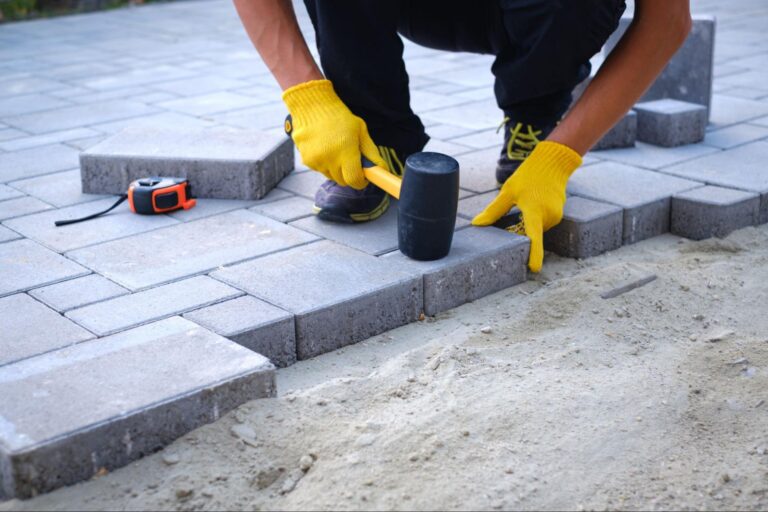
How Coping, Decking, and Hardscape Can Change the Project Scope
Even when the pool itself only needs resurfacing, the condition of the elements directly connected to it can affect how the work should be planned.
Pay particular attention to:
- Coping: If coping is loose, cracked, or already scheduled for replacement, it may make sense to coordinate that work with the pool finish rather than disturb newly completed surfaces later.
- Pool decking: Deck replacement or major repairs can affect transitions around the pool edge and should be considered before finalizing the resurfacing plan
- Drainage and grading: Changes around the pool may affect how water moves across the property, especially when adjacent hardscape is being replaced.
- Patios and surrounding hardscape: If a larger outdoor renovation is already planned, completing the pool work alongside it can help avoid duplicated demolition or mismatched finishes and transitions.
This does not mean every resurfacing project should expand into a backyard remodel. It means that components physically connected to the pool should be evaluated before deciding what to replace now and what to preserve.
If the surrounding areas are in good condition and no additional work is planned, they may have little effect on the resurfacing project. If several connected elements also need attention, however, addressing them together may lead to a more logical construction sequence.
That’s why working with a contractor experienced in both pool and backyard remodeling can help you identify what needs attention from the start and avoid unnecessary work or costly rework later.
Pool Renovation vs. Resurfacing Cost: Why Scope Matters
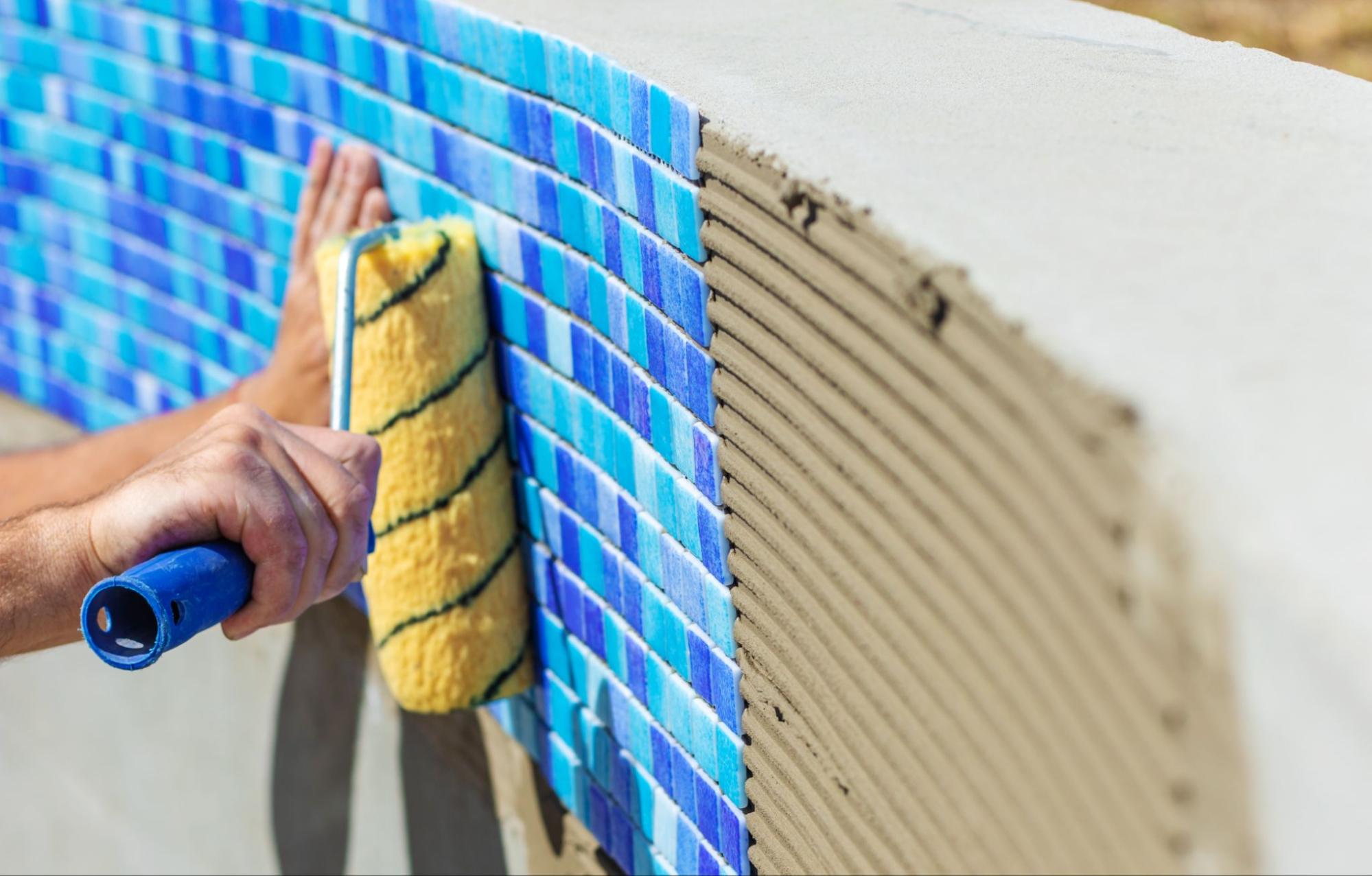
As more work is added to the project, more variables can affect the final cost. Resurfacing typically concentrates the budget on preparing and replacing the interior finish. A renovation can add costs as more components are included, such as tile, coping, equipment, structural repairs, lighting, plumbing, or changes to the pool’s features.
Pool size, finish selection, existing conditions, site access, and permit requirements can also influence the price.
That is why the most useful way to compare estimates is not simply by the total price, but by what each proposal includes, excludes, and assumes about the existing pool.
Pool Renovation in Los Angeles: When Permits May Be Required
In Los Angeles, a broader project scope can also change the permitting and inspection requirements.
Resurfacing may involve fewer approvals than work that affects the pool structure, plumbing, electrical systems, equipment, grading, or other components. As more elements are added to the project, additional permits or inspections may apply.
The Los Angeles Department of Building and Safety maintains requirements for swimming pools as well as building, plumbing, electrical, mechanical, and grading work. Before finalizing the project, confirm which approvals apply to the specific scope and property. This helps avoid delays and ensures permitting is accounted for before construction begins.
Plan the Right Pool Renovation from the Start
A successful project starts with understanding what the pool actually needs. If you are unsure whether your pool needs resurfacing, a broader renovation, or coordinated work with the surrounding backyard, Adar Builders can help evaluate the condition of your pool and surrounding area and determine which improvements need to be addressed.
With experience in pool and backyard remodeling in Los Angeles, Adar Builders can help plan related improvements together without adding work that the property does not need. Contact Adar Builders to discuss your pool renovation project and determine the right next step.