
Full home remodeling can sound straightforward. But it’s one of the few projects where every decision connects to something else. You don’t just change a kitchen without affecting the flow. You don’t update walls without running into electrical, and you don’t open space without touching the structure.
This blog post explains how to prepare for a full home remodeling project in Los Angeles and avoid the kind of decisions that force you to go back and redo work halfway through.
Start With How You Actually Live in the House
Before talking about finishes, layouts, or styles, it helps to step back and look at how the house is actually used.
Where do people spend most of their time—and is it because the space works, or because everything else feels off? Where does movement feel tight or inefficient, like you’re constantly brushing past furniture or squeezing through areas that were never meant to carry that flow?
What parts of the house go unused, maybe because they feel too dark, too isolated, or simply don’t invite you to stay? Where do things start to pile up because there’s no real place for them, turning corners into storage and surfaces into clutter?
Which spaces feel fine during the day but uncomfortable at night, when lighting falls short, or the air starts to feel heavy and still?
And where do you find yourself constantly adjusting—avoiding certain paths, dealing with noise bleeding into quiet areas, or noticing smells travel farther than they should—just to make the layout work?
These questions matter more than design inspiration.
A hallway cuts straight through the living space and never quite feels settled, as if it interrupts more than it connects. The kitchen technically works, but it sits disconnected from where people actually gather, so it ends up feeling isolated.
Some rooms are clearly defined on paper, yet in practice, they’re passed through more than they’re used. Over time, you begin to notice how movement feels forced, like the house is asking you to adjust instead of supporting how you live.
Full remodeling gives you the chance to correct that—but only if those patterns are understood early.
Defining Scope Early Prevents Expensive Changes Later

This is where most large projects start to drift.
At the beginning, it’s easy to say, “We’ll figure that part out later.” A room gets left unfinished, a decision is delayed, or something is assumed to be adjustable mid-project. But that usually leads to rework, and rework is where costs start to multiply.
Because everything is connected, those incomplete decisions tend to come back at the worst time—after framing is finished, after wiring is already in place, or after materials have been ordered and delivered. At that point, changing direction often means tearing out work that was already completed, reordering materials, and bringing crews back to redo sections that were supposed to be done.
That’s where the extra expense shows up. You’re paying for labor twice, absorbing the cost of wasted materials, and extending the timeline, which can also increase indirect costs like temporary housing or project management.
That’s why defining scope early matters. Not perfectly, but clearly enough that the project can move forward without constant adjustments. That level of clarity is easier to reach when working with a professional, trusted contractor who understands how full home remodeling projects unfold in Los Angeles. A consultation with Adar Builders can help map out the scope before construction begins, reducing the need to revisit decisions later.
Budgeting for the Whole System, Not Just the Surfaces
Budgets tend to focus on what people can see. Flooring, cabinets, tile, fixtures, doors, paint, lighting, hardware.
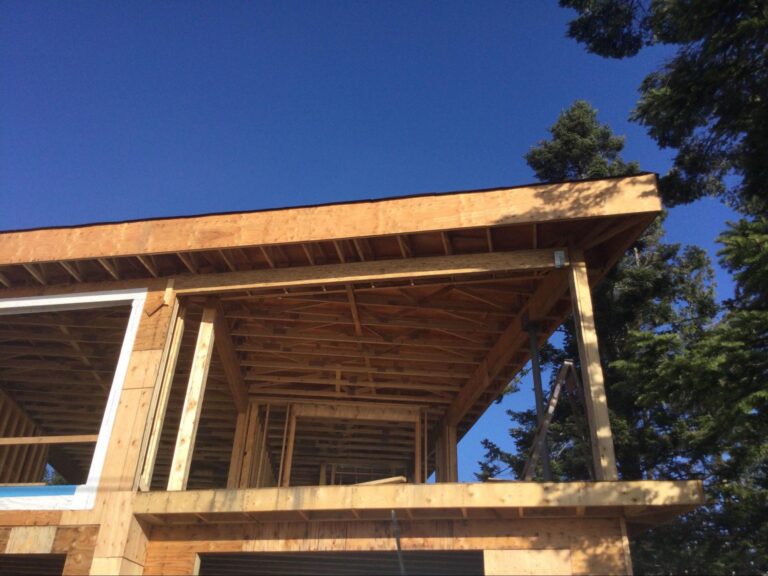
But in a full home remodel, a large portion of the cost is hidden behind the walls, under the floors, above the ceilings, and within the structure itself.
Before numbers feel realistic, homeowners need to think through the systems that may be touched:
Plumbing lines, drain locations, water pressure, shutoff valves, sewer connections, gas lines, water heater capacity, and whether bathrooms or kitchens are being moved from their original locations.
Electrical panels, old wiring, outlet placement, dedicated circuits, appliance loads, lighting plans, recessed lighting, EV chargers, smart home wiring, and whether the existing system can support the new layout.
Framing, load-bearing walls, ceiling height changes, beam placement, floor leveling, roof structure, window and door openings, and whether open-concept changes require structural support.
HVAC ducts, vents, return air, insulation, attic access, air flow between rooms, thermostat placement, and whether the remodel creates rooms that are too hot, too cold, or poorly ventilated.
Waterproofing, drainage, subfloor condition, foundation cracks, crawl space access, moisture damage, old termite damage, and areas where previous repairs may have been hidden behind finishes.
That’s where budgets expand. A simple layout change can require new plumbing, new electrical, framing adjustments, patching, inspections, and finish work around all of it.
Living Through a Full Remodel Is Its Own Challenge
This part tends to get underestimated.
Noise becomes constant. Dust travels further than expected. Access to certain parts of the house gets limited, sometimes without much notice.
In smaller projects, that disruption is contained. In a full remodel, it spreads.
Some homeowners try to live through it. Others phase the work. Some decide to relocate temporarily. None of those options is wrong, but each comes with tradeoffs.
What matters is understanding that the project doesn’t just affect the house—it affects daily life while it’s happening. And the way that disruption is managed often comes down to who is running the project.
Working with a professional, trusted contractor who knows how to sequence and coordinate a full home remodel in Los Angeles can make that experience more predictable and easier to navigate. A team like Adar Builders can help plan around those disruptions early, so the project moves forward without unnecessary stress on the household.
Coordinating Everything Without Losing Control
When multiple elements are updated at once, alignment becomes critical because layout, materials, lighting, and flow need to work together, or the house starts to feel pieced together, with abrupt transitions, inconsistent lighting, and materials that don’t quite relate.
Avoiding that requires looking at the house as a whole, not as a series of individual upgrades.
When a Full Remodel Makes Sense
Not every home needs a full remodel.
In some cases, targeted updates are enough. If the layout already works and the issue is mostly cosmetic—worn flooring, outdated cabinets, fixtures that no longer match—then a focused kitchen refresh or bathroom upgrade makes sense. But when the problems go beyond finishes, the equation changes.
If you’re dealing with a layout that no longer supports how you live, outdated electrical or plumbing systems, or multiple areas that feel disconnected from each other, that’s where a full remodel becomes the better option. Instead of fixing one room at a time and running into new constraints with each step, you address everything together, which often saves time, reduces repeated labor, and improves overall flow.
A simple way to look at it: If the issue is surface-level, keep it targeted. If the issue is structural, systemic, or affects multiple spaces, a full remodel usually avoids the need to redo work later.
Trying to fix those larger issues piece by piece tends to create limitations. You solve one problem, but create another. You update one area, then have to revisit it later because something else changed. That’s when the project starts doubling back on itself.
Preparing Before You Start
In a full remodel, you need to plan your life around the work. If plumbing is shut off, plan where you’ll shower. If demolition or masonry is scheduled, expect noise all day—work, studying, or calls will be difficult. If someone at home needs rest or is recovering, the timing matters. If you have plans, guests, or events, assume the space won’t function normally.
There’s no casual evening when rooms are sealed, floors are covered, and access is limited.
That’s why it helps to work with a professional, trusted contractor who can plan and minimize disruption. A team like Adar Builders can help you anticipate these situations early, so the project moves forward without unnecessary stress on your daily routine.
FAQs
How much does full home remodeling cost in Los Angeles
Costs vary depending on size, scope, and structural changes. Larger projects typically involve both visible upgrades and behind-the-wall work.
How long does a full home remodel take
Timelines depend on complexity, but full remodels often take several months from planning through completion.
Do I need permits for full home remodeling in Los Angeles
Yes, most full remodels require permits, especially when structural, electrical, or plumbing changes are involved.
Can I live in my house during a full remodel
It depends on the scope. Some homeowners stay, but many choose to relocate or phase the work due to disruption.
Is full home remodeling worth it compared to moving
It can be, especially when the location works but the layout doesn’t. Remodeling allows you to adapt the home instead of replacing it.