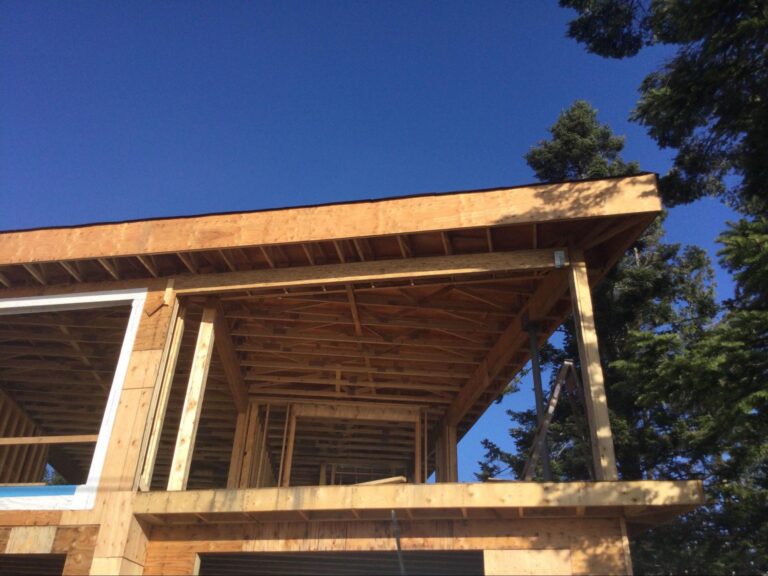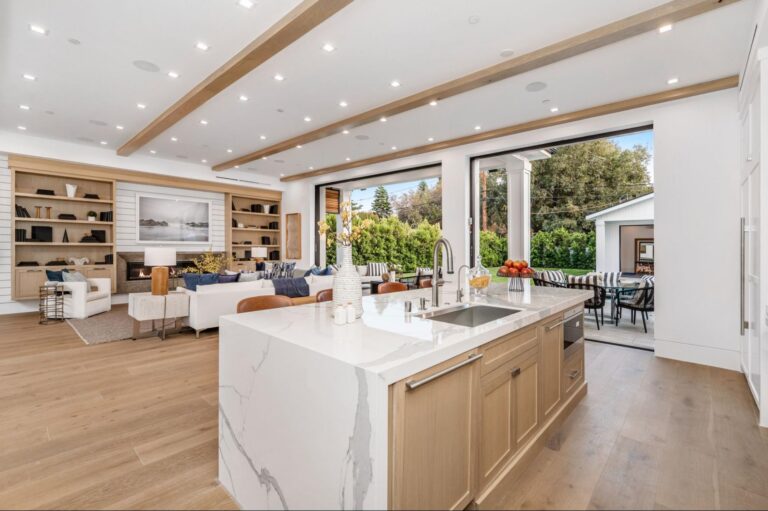

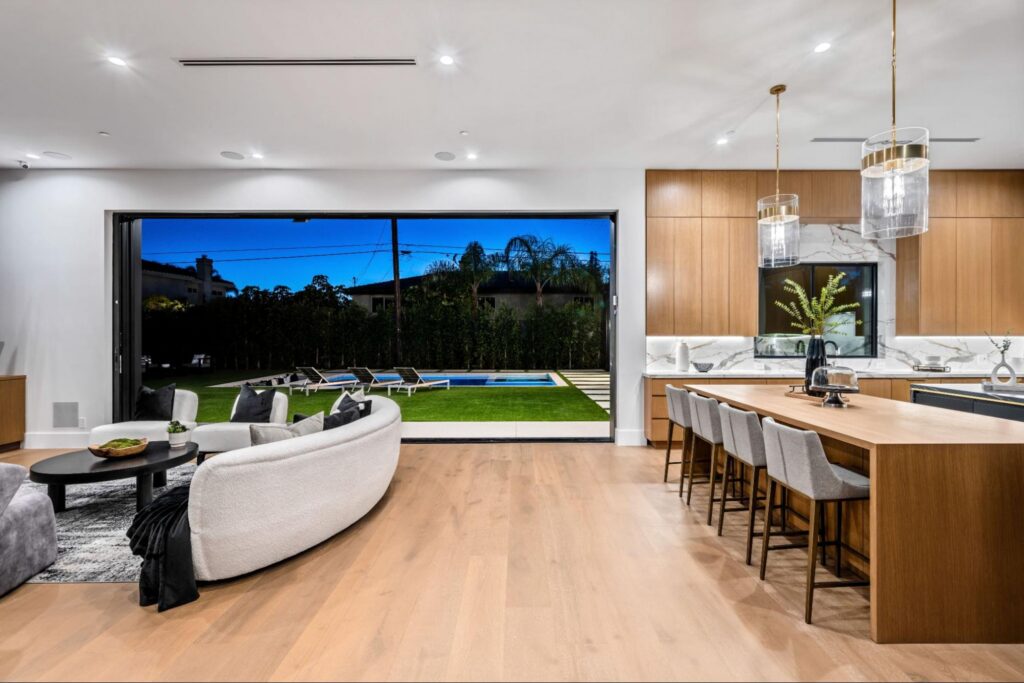
In Los Angeles, homeowners often reach a pivotal moment.
The kitchen no longer reflects modern standards. Bathrooms feel outdated. The floor plan feels segmented. Electrical capacity struggles to support new appliances. Outdoor flow doesn’t match the way Southern Californians live year-round.
At that point, the question becomes larger than a cosmetic upgrade:
Should you renovate in phases — or rethink the entire structure?
Full Home Remodeling in Los Angeles is not just about design. It’s about infrastructure, building codes, seismic considerations, energy compliance, and long-term property strategy.
When the Problem Is Structural — Not Cosmetic
Many homes across neighborhoods like Sherman Oaks, West LA, and the San Fernando Valley were built in the 1950s–1980s. Others in areas like Hancock Park or Los Feliz may date back even further, with Spanish Colonial or Craftsman architecture.
Over time, updates happen in phases: a Kitchen Remodeling project one year, a bathroom remodeling project the next, and flooring later.
The result?
- Outdated electrical systems hidden behind new finishes
- Aging plumbing lines beneath modern tile
- Structural walls that limit open-concept layouts
- Disconnected design transitions
If you are already reopening walls in multiple areas, it may be more efficient to approach the property holistically rather than in isolated upgrades.
A comprehensive remodel allows coordinated system replacement under one structured plan, minimizing duplicated labor and repeated permit processes with LADBS.
Los Angeles Building Codes Change the Equation
Remodeling in Los Angeles is not only a design decision — it’s a regulatory one.
A full remodel often triggers:
- Title 24 energy compliance upgrades
- Electrical panel modernization
- Seismic retrofit requirements in older structures
- Updated insulation and ventilation standards
- Plumbing code updates
In hillside neighborhoods such as Mount Washington or parts of Studio City, structural modifications may require additional engineering review.
In coastal-influenced zones, environmental compliance may also apply.
When multiple upgrades are inevitable, executing them within a unified Full Home Remodeling project often creates greater efficiency than spreading them over several years.
The Financial Reality of Moving to Los Angeles
Many homeowners consider selling instead of remodeling.
However, relocating within Los Angeles often involves:
- Property tax reassessment at the current market value
- Higher mortgage rates
- Competitive bidding in desirable neighborhoods
- Renovation needs in the newly purchased home
For homeowners in established areas — whether in the Valley, Westside, or central LA neighborhoods — remodeling can preserve location while modernizing structure.
In high-demand markets, maintaining your lot and investing in structural improvement frequently produces stronger long-term value than entering a new transaction cycle.
When Expansion Alone Isn’t Enough
Some homeowners initially consider:
- Home Additions
- Garage Conversion
- ADU Construction
But adding square footage does not automatically modernize an aging home.
If the original structure still has outdated electrical systems, inefficient layout, or inconsistent finishes, expansion alone can feel disconnected.
In many cases, combining expansion with Full Home Remodeling ensures:
- Unified architectural flow
- Integrated system upgrades
- Consistent flooring and finish transitions
- Coordinated permitting
A Design Build Contractor evaluates whether adding space alone solves the issue or whether the entire property requires reconfiguration.
Architectural Continuity Matters in Los Angeles
Los Angeles homes vary widely in architectural style:
- Spanish Colonial
- Mid-century Modern
- Ranch-style Valley homes
- Contemporary rebuilds
A full remodel provides the opportunity to preserve character while modernizing infrastructure.
Rather than layering contemporary finishes onto outdated structures, a cohesive renovation aligns:
- Layout redesign
- Lighting strategy
- Material palette
- Energy efficiency improvements
In competitive Los Angeles resale markets, thoughtful design continuity significantly influences buyer perception and property value.
When a Full Remodel May Not Be Necessary
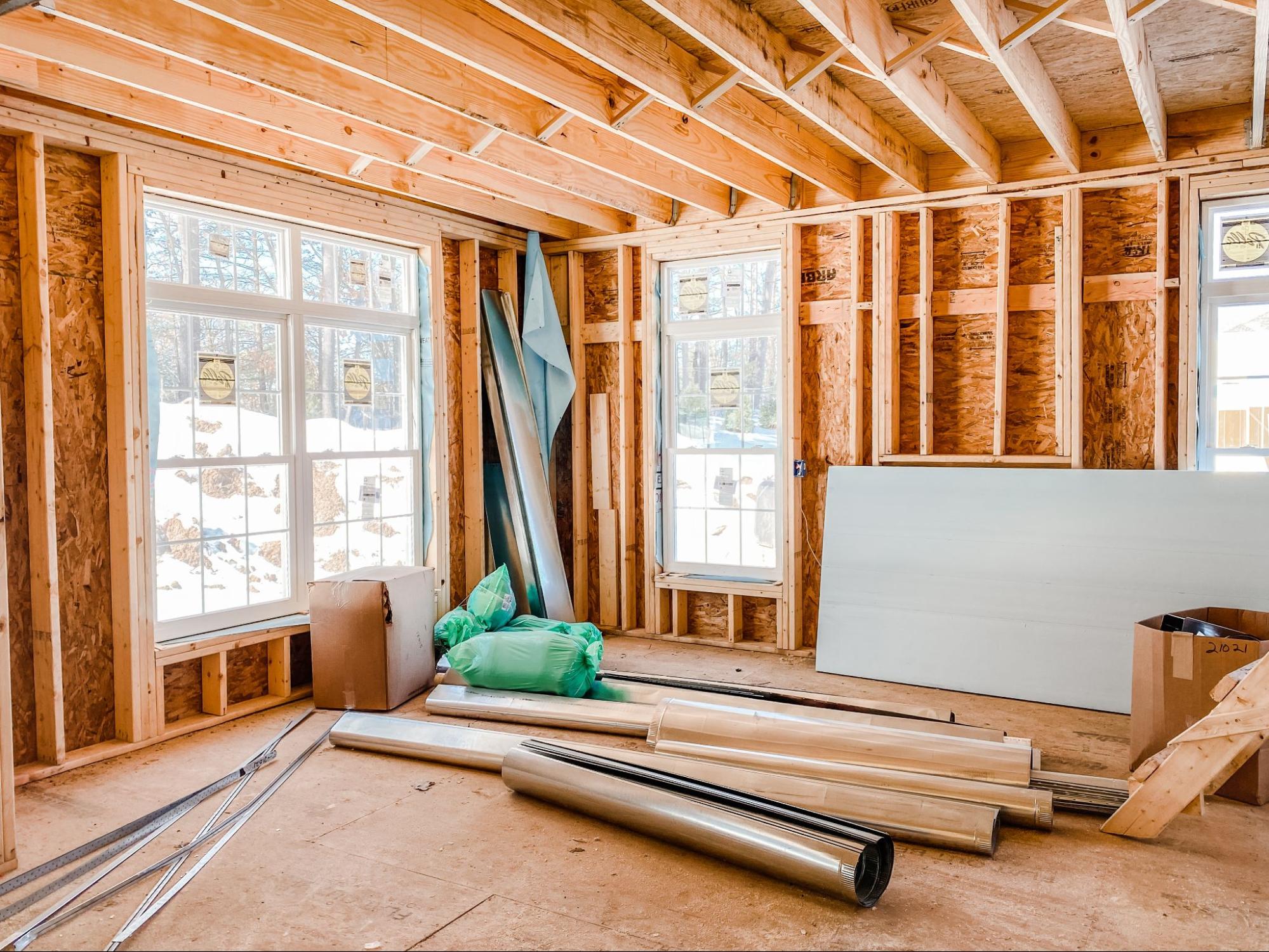
A full transformation is not always the correct path.
If your layout functions well and only isolated spaces require updating, targeted Kitchen Remodeling or Bathroom Remodeling projects may provide sufficient improvement.
Likewise, if you are preparing the home for short-term resale without structural change, strategic cosmetic updates may offer stronger ROI.
The key question is this:
Are you addressing surface-level finishes — or foundational limitations?
Evaluating Scope Before Committing
Full Home Remodeling in Los Angeles requires clarity before demolition begins.
A proper evaluation should assess:
- Structural feasibility
- Existing electrical panel capacity
- Plumbing infrastructure
- Title 24 compliance implications
- Seismic upgrade requirements
- Zoning considerations if expansion is involved
At Adar Builders, we approach Full Home Remodeling through a comprehensive design-build process that integrates Kitchen Remodeling, Bathroom Remodeling, Home Additions, Garage Conversion, and ADU Construction when appropriate.
If you are considering a full remodel in Los Angeles, schedule a professional consultation to evaluate your property holistically.
The right decision is not about the scale of renovation — it’s about aligning structure, location, and long-term vision.
Frequently Asked Questions About Full Home Remodeling in Los Angeles
How much does full home remodeling cost in Los Angeles?
Full Home Remodeling projects in Los Angeles are influenced by structural complexity, architectural redesign, system upgrades, and compliance with local building standards. Homes built decades ago often require coordinated infrastructure modernization alongside aesthetic updates.
Rather than applying generic pricing models, a detailed site evaluation ensures scope, design vision, and regulatory requirements are aligned before construction begins.
Does a full remodel trigger seismic or energy upgrades?
In many older Los Angeles homes, structural changes can trigger seismic considerations and Title 24 energy compliance requirements. A professional evaluation determines what applies to your property.
How long does full home remodeling take in Los Angeles?
Most projects take between 6 and 12 months, depending on permitting through LADBS, structural modifications, and construction complexity.
Is remodeling better than moving?
In many cases, yes. Rising property values, transaction costs, and limited inventory make remodeling a financially strategic option for homeowners who want to preserve location while modernizing their home.