
Bathrooms used to be simple. Functional. Get in, get out. But that’s not really how they’re used anymore.
In Los Angeles homes, especially, space is limited, routines are tighter, and the bathroom ends up carrying more weight than it was designed for. It’s part utility, part recovery space, sometimes even the only quiet room in the house.
But how can a remodeling that looks better also work better?
This blog post explains how smart bathroom remodeling upgrades in Los Angeles improve daily living through better ventilation, lighting, layout, and materials.
Air, Moisture, and Ventilation: The Part Most People Overlook
Start with what you don’t see.
Bathrooms deal with moisture constantly, and when that moisture has nowhere to go, it builds up in places you won’t notice until damage shows up, peeling paint, and contributing to the proliferation of mold, mildew, and allergens that make the air stink.
A lot of older setups rely on minimal ventilation, small fans, and poor airflow. Sometimes nothing at all.
Upgrading that system changes more than just air quality. It protects your health and the health of your loved ones.
Stronger exhaust systems, humidity-controlled fans, and better duct routing can change your bathroom experience, as they extend the use of the space and the life of the materials you’re investing in.
If you’re remodeling without addressing ventilation, you’re building on top of a problem.
Light Changes Everything
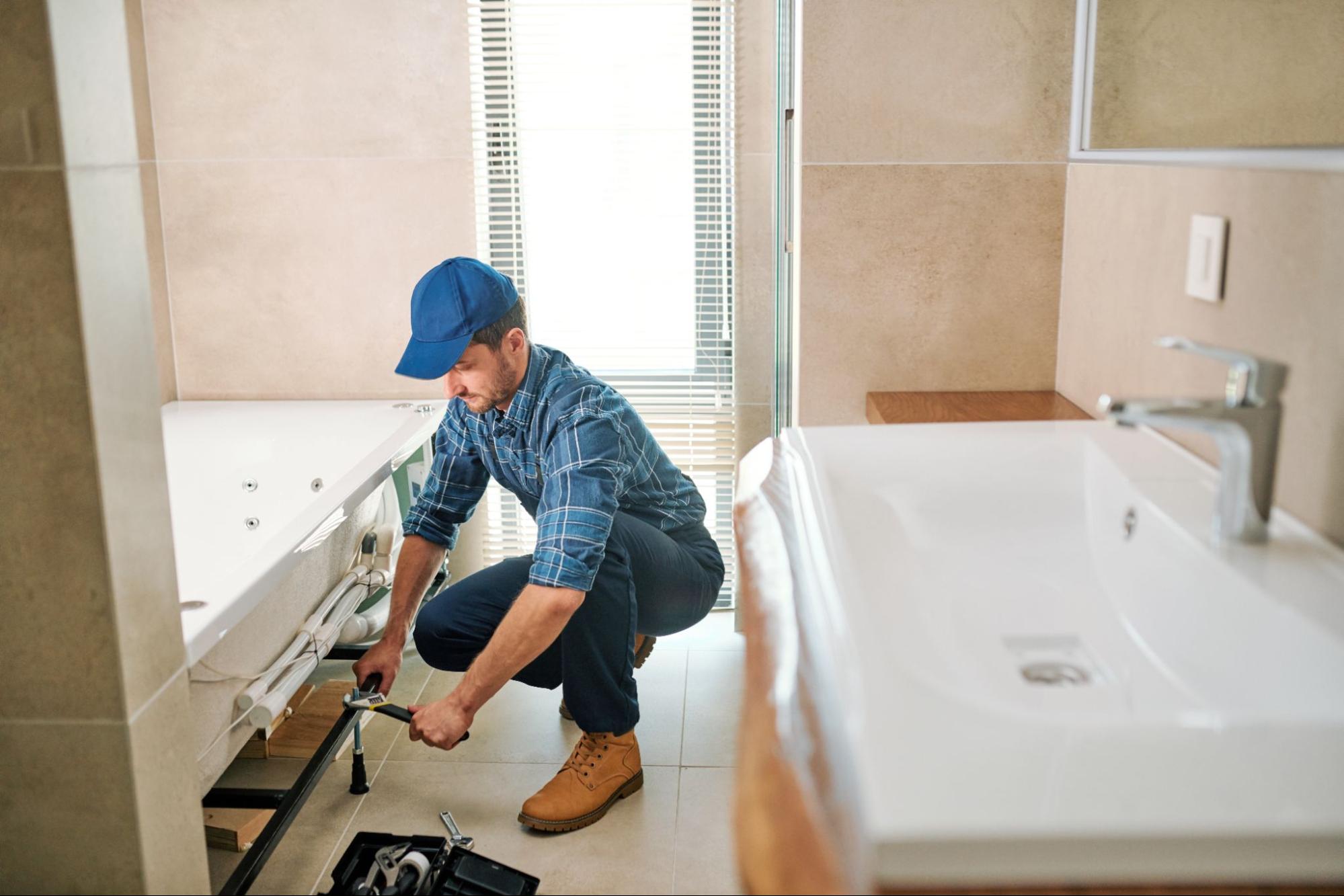
Lighting can define how the space feels when you walk in, how usable it is in the morning, and how it holds up at night when everything else is quiet.
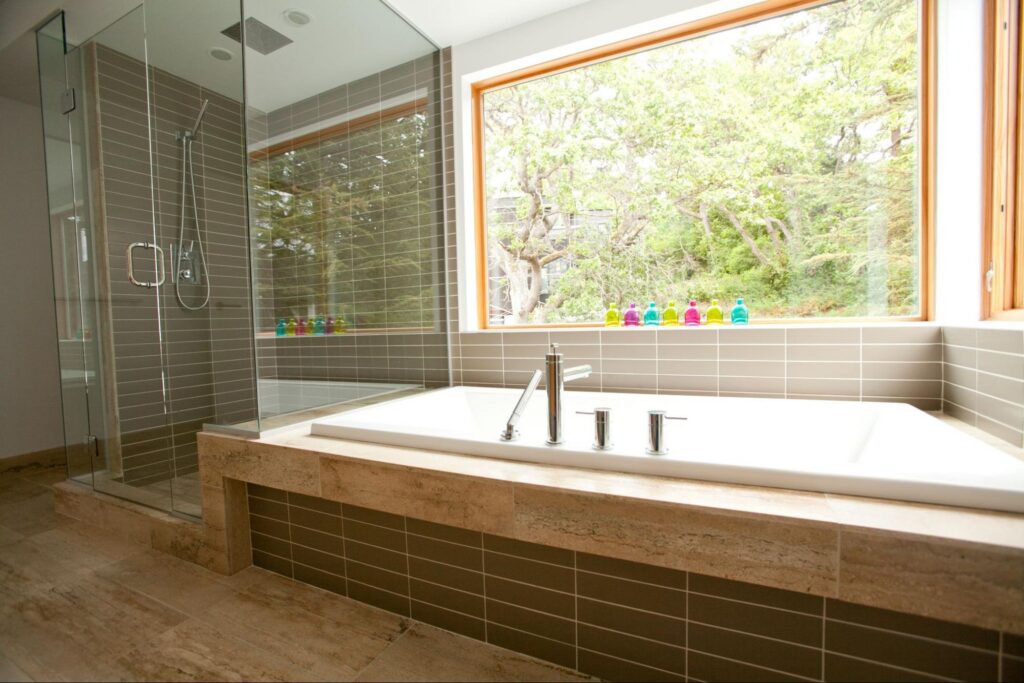
Natural light, when it’s available, changes the entire room. Even a small window, placed correctly, can open up a tight bathroom. In Los Angeles, privacy becomes part of that equation, so things like frosted glass or high window placement come into play.
In cases where natural light is not an option, artificial lighting fills in the gaps.
Overhead lights alone don’t work well. They flatten everything. Layered lighting—around mirrors, under cabinets, along edges—creates depth. It also makes everyday tasks easier without overwhelming the space.
Layout and Movement: Where Most Remodels Go Wrong
A bathroom can have great materials and still feel wrong.
That usually comes down to layout.
Spacing between fixtures matters more than people expect. A vanity that’s too close to a shower, a door that swings into usable space, or tight walkways that restrict transit are all factors that play against the homeowners confort and property value. These are small things individually, but they add up fast.
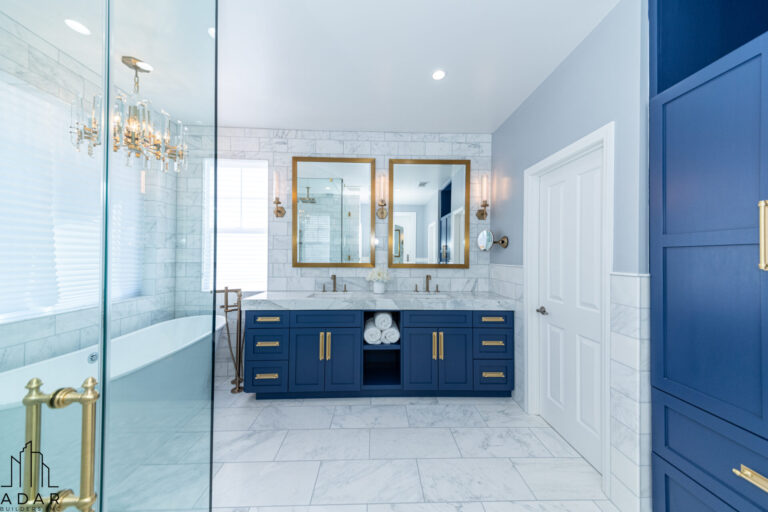
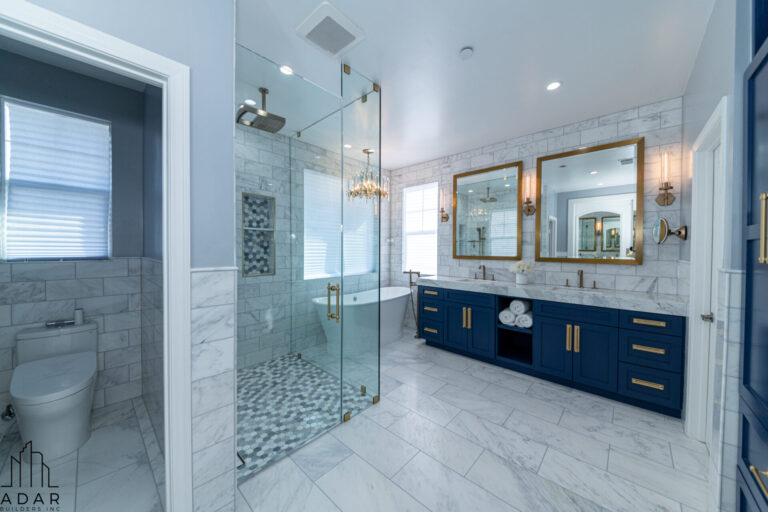
Walk-in showers, for example, have become more common in Los Angeles homes, partly because they open up the room visually, partly because they’re easier to use long-term. But they only work if the layout supports them. That’s where planning upfront saves you from fixing things later.
Materials That Actually Hold Up
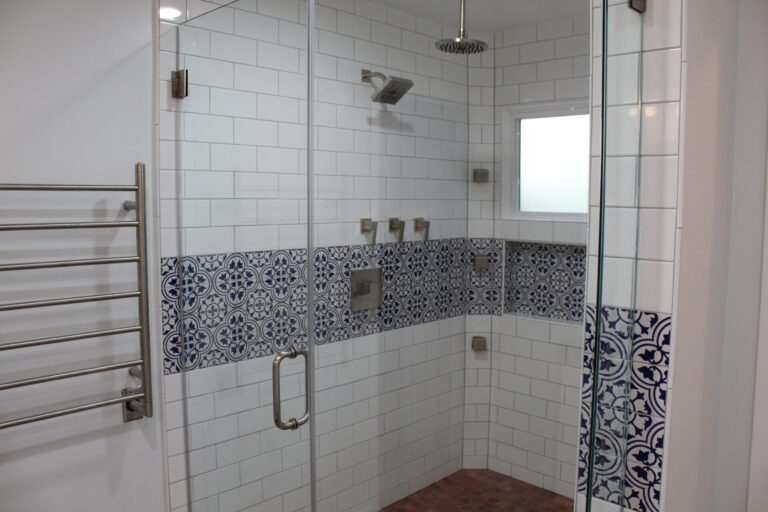
Tile is common for a reason. It holds up. But even within tile, there are differences—porosity, finish, slip resistance. Those details matter.
What really shows the quality of the work, though, isn’t the tile itself. It’s the finishes.
Grout lines are usually where problems start to show. If they’re uneven, too wide, or not sealed properly, they begin to absorb moisture. Over time, that leads to discoloration, a constant damp feel, and eventually mold forming in the joints. Soap residue builds up faster. Cleaning becomes harder, and the surface never quite feels clean, even when it is.
Poor alignment is another one. Slightly off tiles, inconsistent spacing—nothing dramatic, but enough that your eye keeps catching it. You notice it without knowing why.
Edges and transitions matter too. Where tile meets fixtures, glass, or walls. If those joints aren’t finished cleanly or sealed correctly, water finds its way in. That’s where long-term damage starts, not on the surface.
Cabinet materials, countertop surfaces, and even paint types all behave the same way. They either handle moisture and daily use, or they slowly break down under it. Swelling edges, peeling finishes, soft spots that weren’t there before.
That’s the difference between a bathroom remodeling that looks good when it’s done… and something that still works the way it should a few years later.
Smart Technology That Actually Improves Use
Not every upgrade needs to be high-tech. But some of them make a noticeable difference.
Touchless fixtures, for example, can reduce wear and keep things cleaner, while better water control systems help with efficiency, which matters in Los Angeles. Likewise, heated flooring changes how the space feels without altering the layout.
Even mirrors have evolved. Integrated lighting and defog systems. Small things, but they remove friction from daily routines.
The key is using technology where it simplifies use, not where it complicates it.
Sequencing the Remodel: Keep It Moving Forward
This is where projects either stay on track or start stepping backward.
In a bathroom remodel, the order matters. A lot.
Start with the layout. Lock in where everything goes before anything else. Moving fixtures later means undoing work that was already done.
Then address what’s behind the walls. Plumbing. Electrical. Venting. These systems need to be defined early, not adjusted mid-project.
Permits come after that, not during construction. In Los Angeles, trying to figure out approvals while work is already happening is one of the fastest ways to slow everything down.
Once construction begins, each phase needs to finish cleaning before the next starts. Rough work, inspections, closing walls, and installing fixtures. Skipping ahead creates overlap, and overlap creates rework.
That level of coordination doesn’t happen by accident. It usually comes from working with a professional, trusted contractor like Adar Builders, who understands how to plan and execute bathroom remodeling projects in Los Angeles without losing momentum between phases.
When a Bathroom Remodel Actually Changes Daily Living
If the space feels tight, hard to use, or constantly needs small fixes, remodeling starts to make sense.
At the same time, not every situation calls for jumping in immediately. If larger plans are still in motion, or if the scope isn’t fully clear, taking time upfront usually leads to a better result. A consultation with a trusted bathroom remodeling contractor in Los Angeles, like Adar Builders, can help you define the scope and direction before anything begins.
FAQs
How much does bathroom remodeling cost in Los Angeles
Costs depend on layout changes, materials, and system upgrades. Moving plumbing or electrical systems typically increases the overall price.
How long does a bathroom remodel take in Los Angeles
Construction may take a few weeks, but the full process, including planning and permits, can take longer depending on the scope.
Do I need permits for bathroom remodeling in Los Angeles
Permits are usually required if plumbing, electrical, or structural changes are involved.
What upgrades add the most value to a bathroom remodel
Layout improvements, better ventilation, and durable materials tend to have the biggest long-term impact.
Can I remodel a bathroom without changing the layout
Yes, but keeping the same layout limits how much the space can improve functionally.